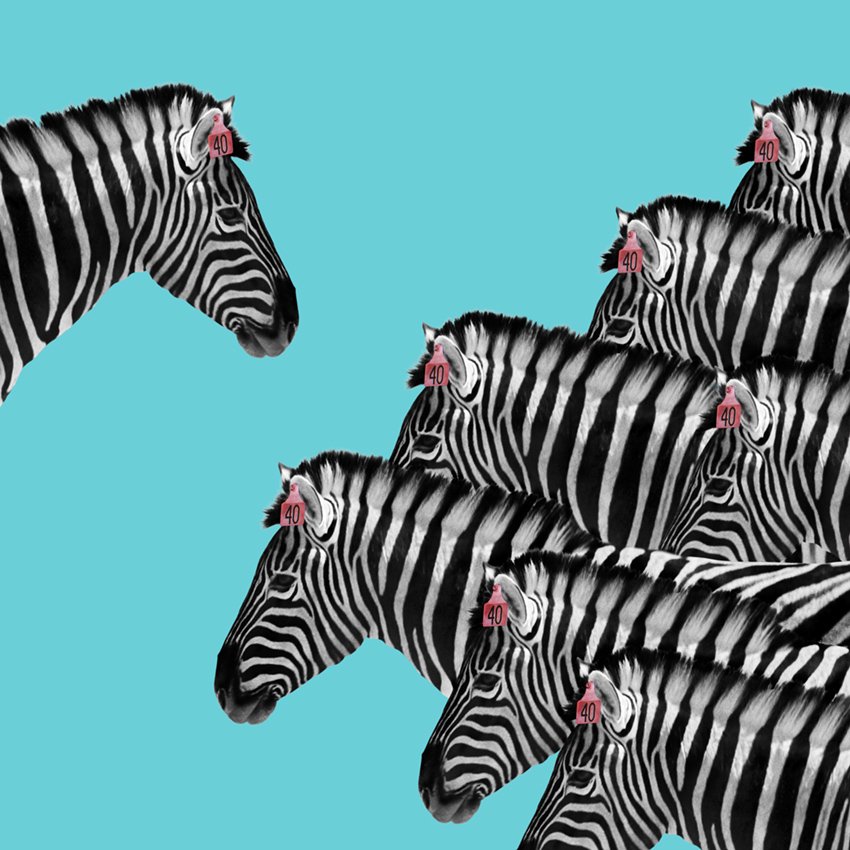
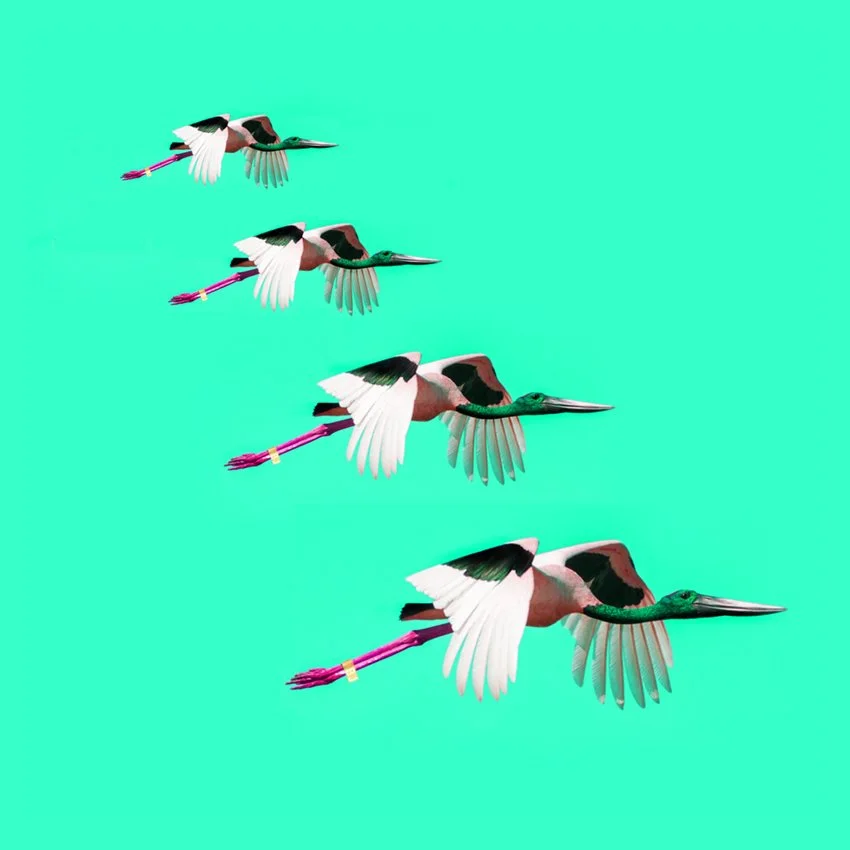
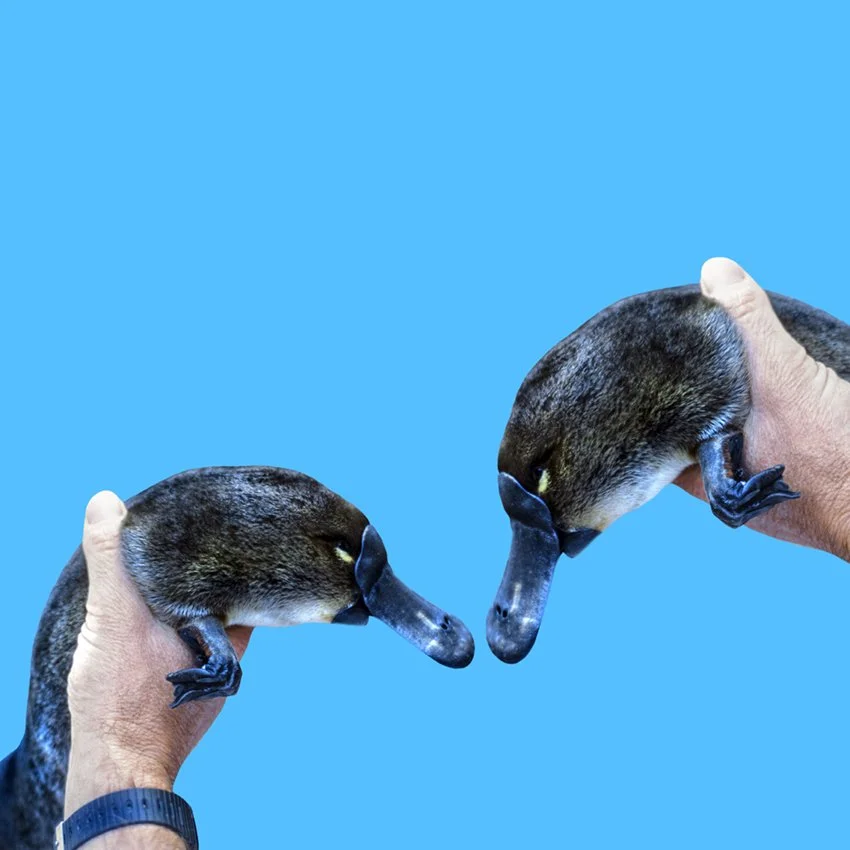
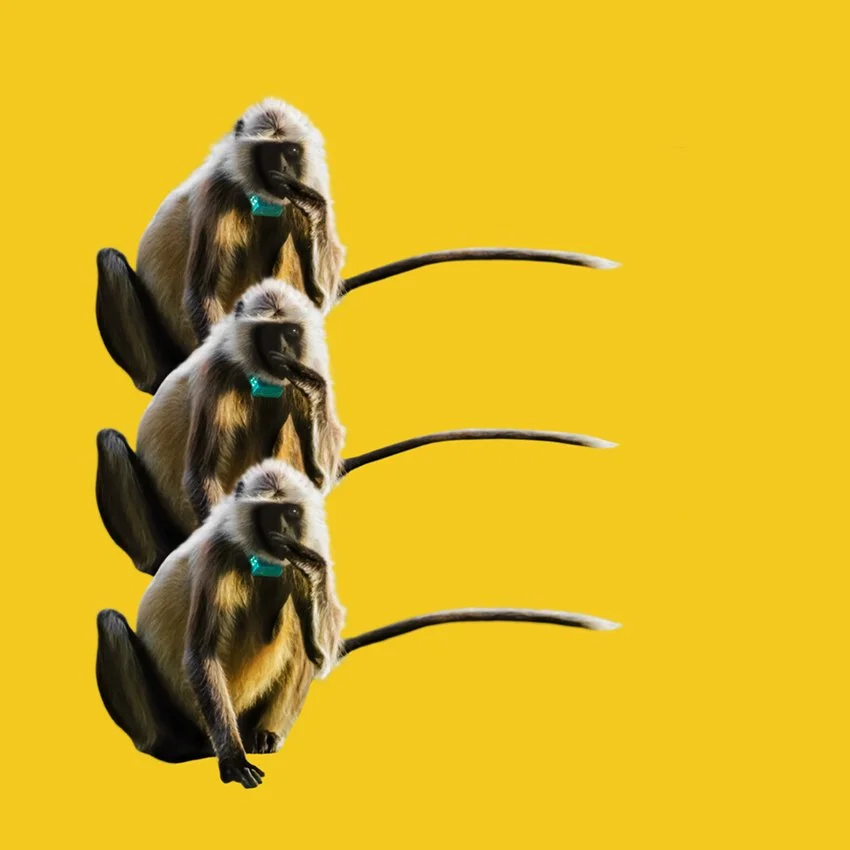
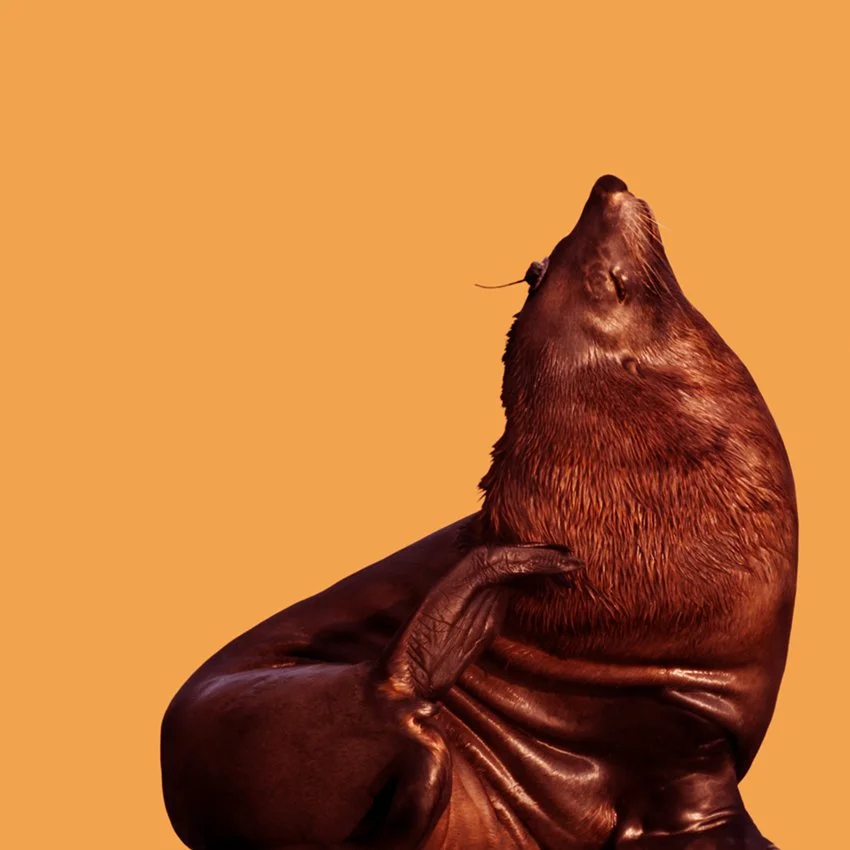
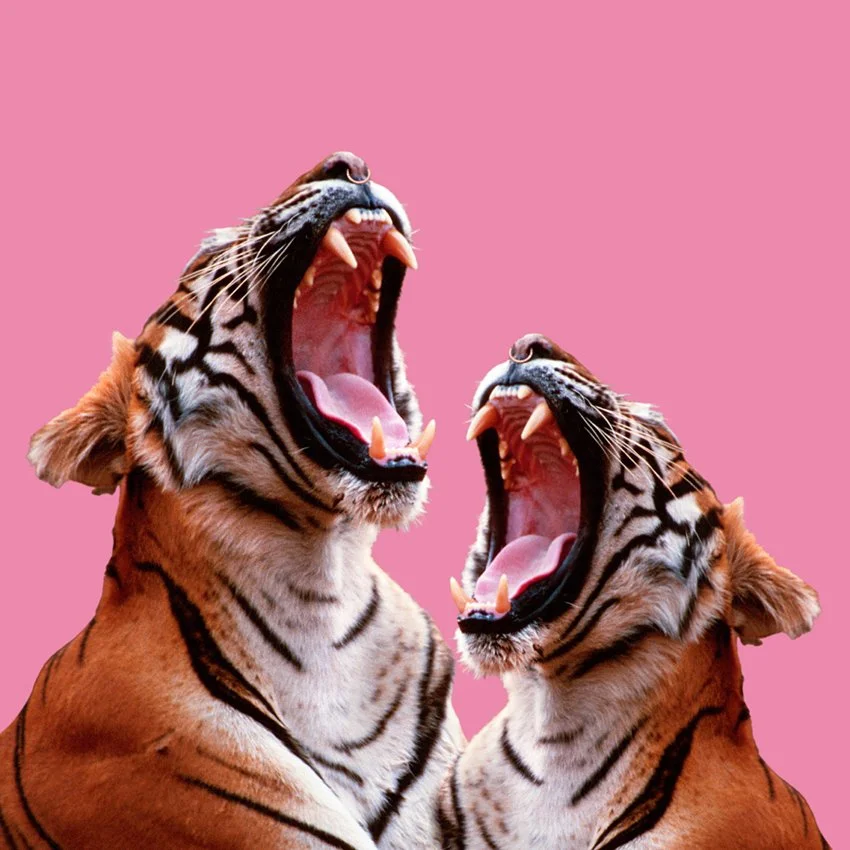
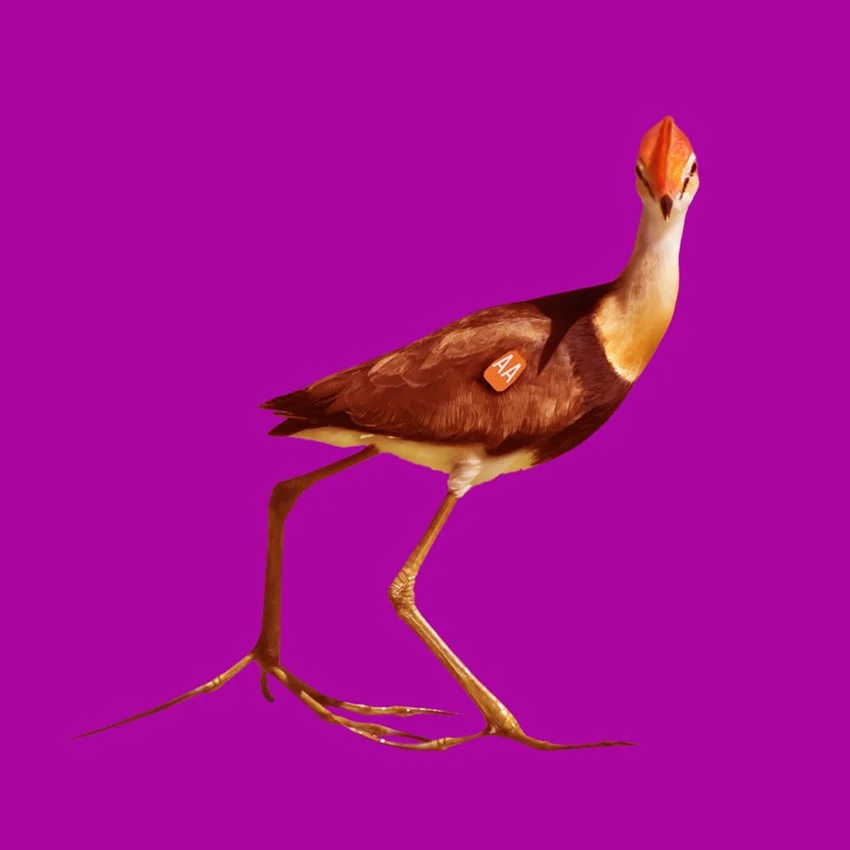
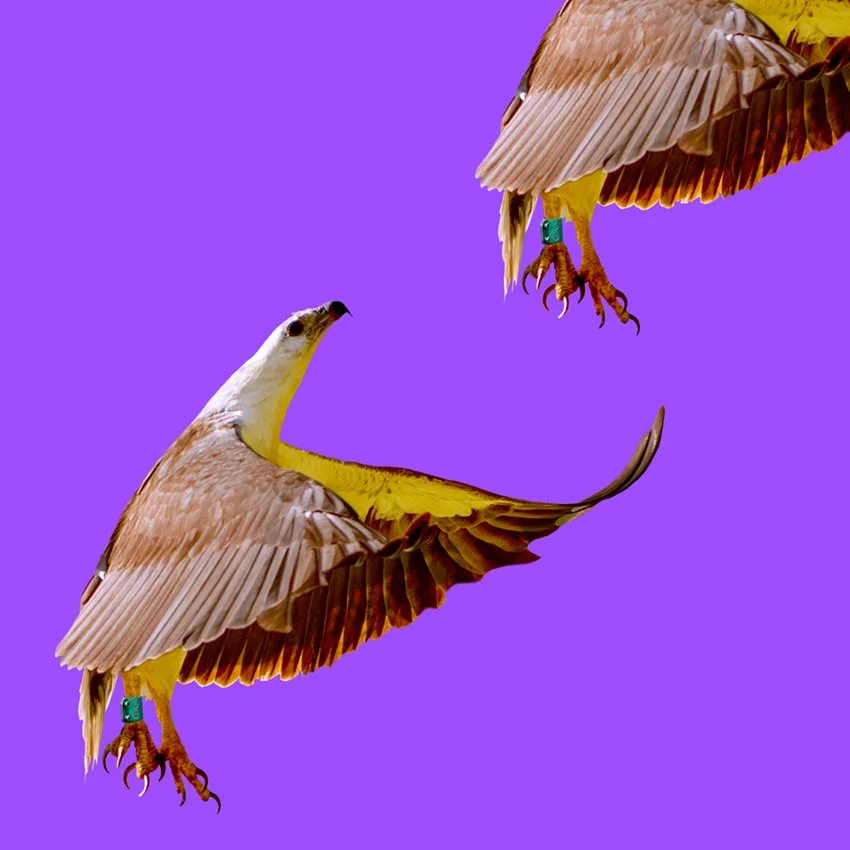
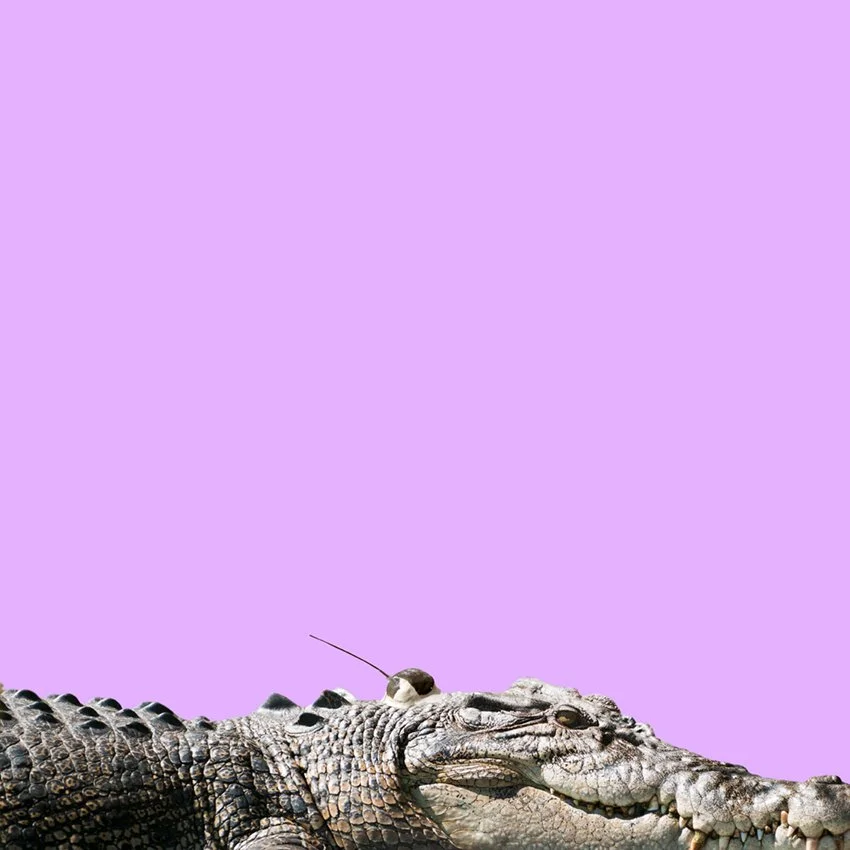
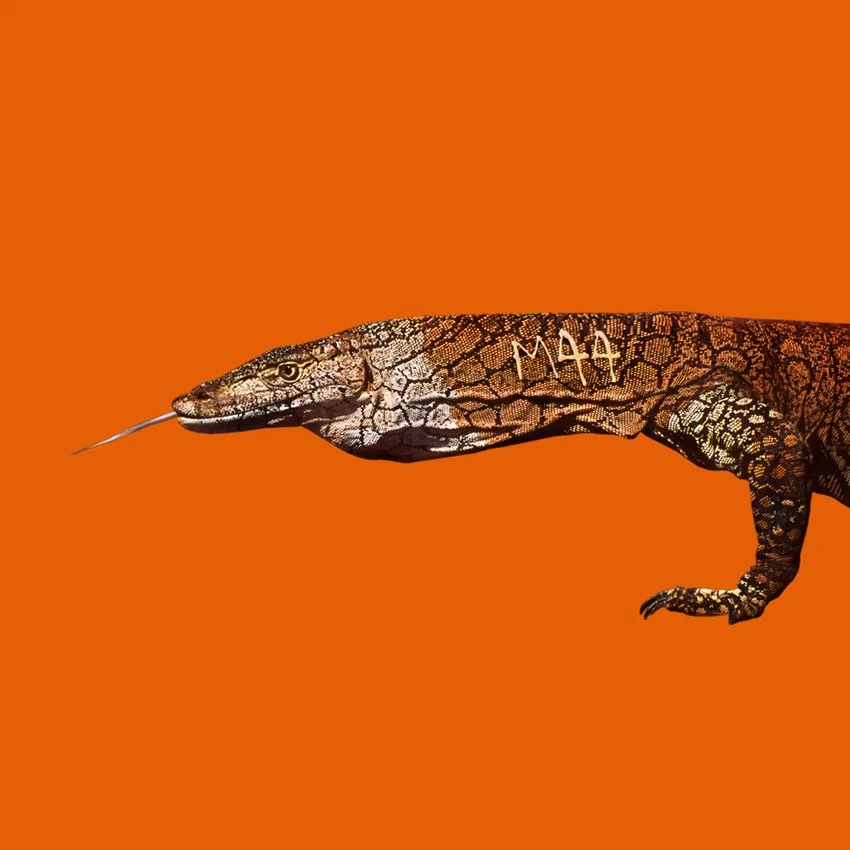
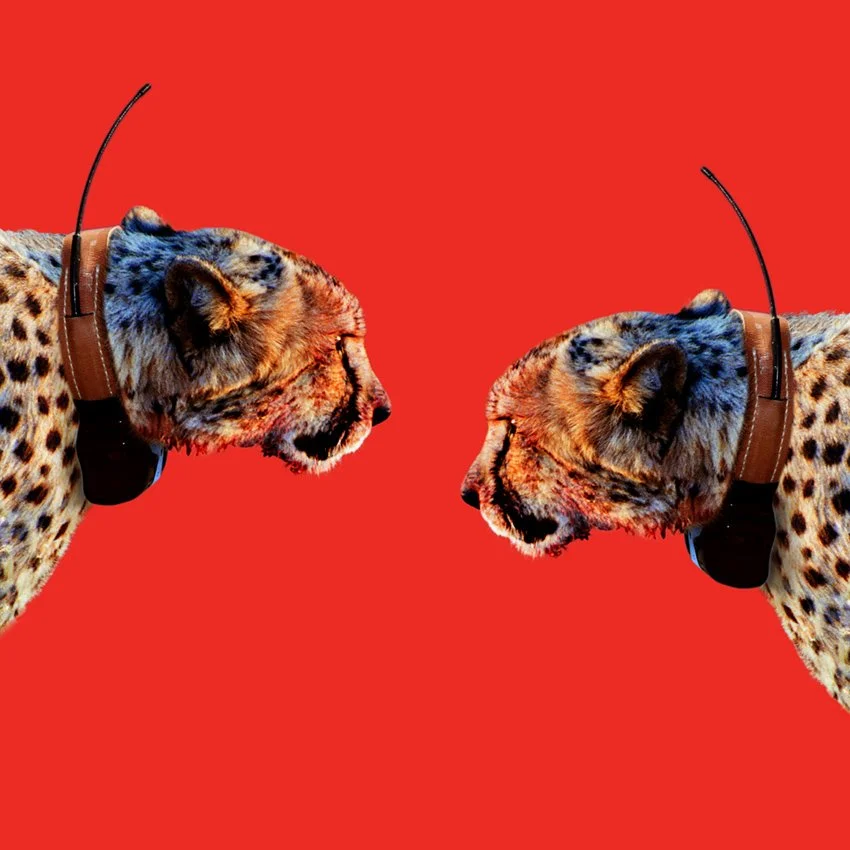
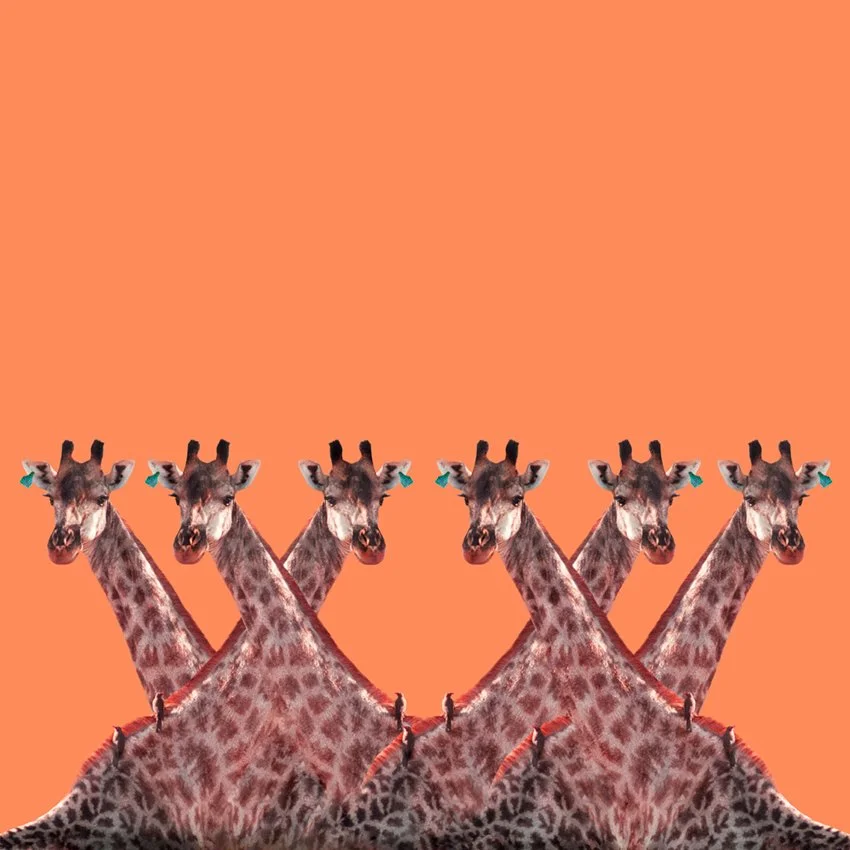
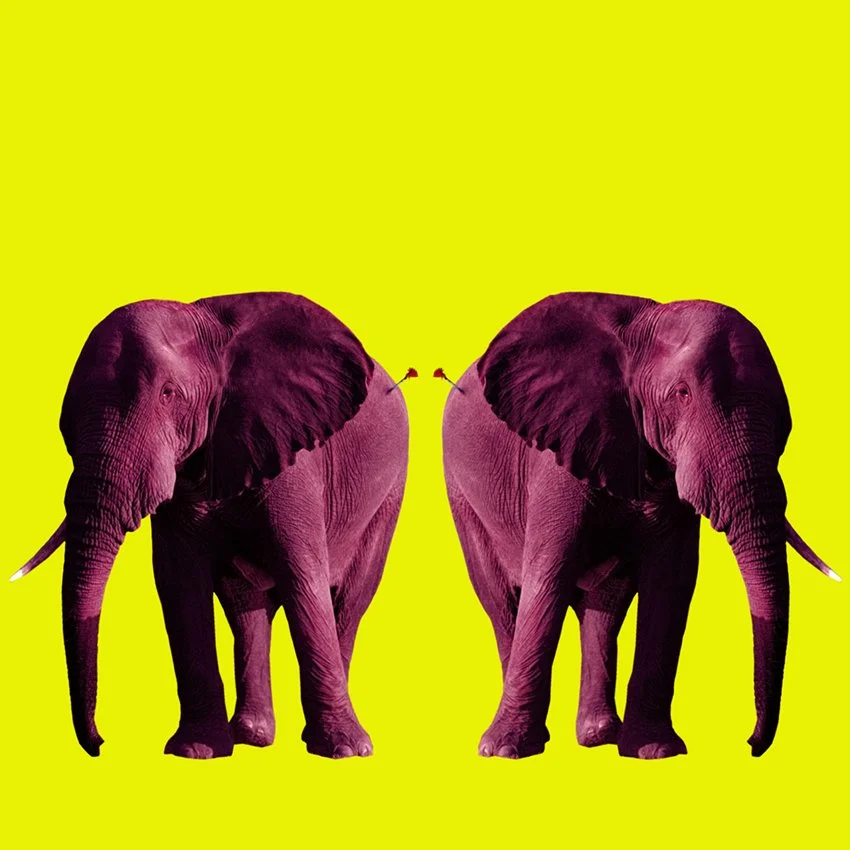
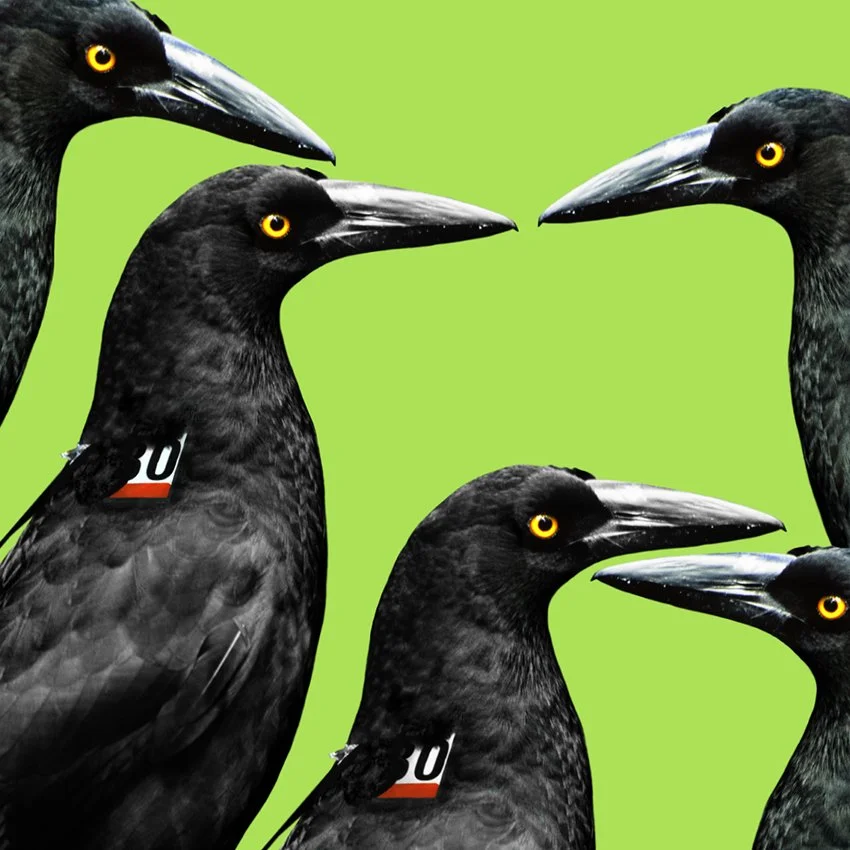
Tagged animal.
Tagged animal
Anita Traverso Gallery July 2015
Many wild places exist for fortuitous reasons such as a locations remoteness, topography or a governments decision that a place has an inherent value for commercial reasons. Wild animals that inhabit these places are perceived to be free of human intervention. Viewing these wild animals is invigorating.
When i encounter an animal that has been tagged for identification purposes or radio collared for scientific purposes the ‘wild’ encounter feels compromised.
In this body of work I explore these ideas by digitally adding tags, collars and monitoring antennae to animals I have photographed in the wild.
Cameras: Nikon F 601, Nikon F5, Nikon D200 + 300
Lenses: Nikon F4 600mm + Nikon F2.8 70-200mm
Film: Fuji Velvia 100F, Kodak Portra 160/ 400, Kodachrome 64